ARCS 2026
Co-located with ACM India Annual Event

About
Academic Research and Careers for Students (ARCS) is an annual symposium hosted by ACM India, dedicated to providing a unique platform for research scholars in Computer Science and related fields across India. This prestigious event invites PhD students to showcase their latest (accepted) research, fostering collaboration and discussions with peers and experts in the field. The 2026 edition of ARCS will be held on February 11-13 at Indian Institute of Technology Hyderabad (IIT Hyderabad).
ARCS plays a crucial role in facilitating meaningful interactions between PhD scholars, faculty, and industry leaders, offering a much-needed space for intellectual exchange. The symposium features contributed talks, poster presentations, and special sessions, including presentations by the ACM India Doctoral Dissertation Award recipient, the Early Career Research Awardee, and a distinguished keynote speaker.
Attendees will also engage in dynamic panel discussions, interactive sessions with ARCS speakers, and Ph.D. clinics. The audience, composed of students, academics, and industry professionals from across India, will have the opportunity to network and learn from notable invitees, including Turing Award laureates.
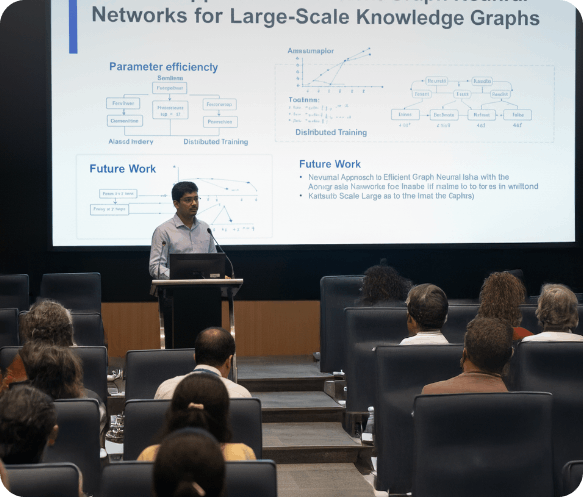
ACM-W India Annual Summit for Women in Computing
ACM Annual Summit for Women in Computing celebrates every year the incredible achievements and contributions of women in the field of computing. This annual summit is a testament to the remarkable progress we have made in promoting gender diversity and inclusion in the world of technology.
Co-located with ACM India Annual Event and ARCS, the summit creates a platform for sharing knowledge, ideas and experiences, thereby facilitating the career growth of women in computing. The summit creates a forum for recognizing the immense talent and potential of women in computing and also provides an opportunity for the participants to interact with the experienced researchers from academia and industry across the globe. The main highlight of the summit is the keynote address by the Outstanding Contributions in Computing by a Woman (OCCW) award winner.
This year’s edition of ACM-W India Annual summit provides a comprehensive exploration of the role of collaboration and confidence in women’s leadership, providing both insights and actionable advice for attendees, by bringing the correct mix of industry and academia leaders across the country. We will share more details soon.
ACM India’s PhD Clinic was launched in Sept 2020, facilitates CS PhD students from all over the country to obtain inputs and advice from diverse expert mentors located in premier academic institutions and industry. The PhD Clinic has been very successful in helping students, with some representative feedback from students:
“The way she answered the questions was so good! She shared personal experiences as well and that made me connect to her.”
“He guided me in such a nice way about how to find a research topic, what areas can be there and how I should align my research in a proper manner.”
In ARCS 2026, you will get to meet fantastic mentors, we will have 1-on-1 in-person Clinic sessions for PhD students. Selected students will get travel support to attend ARCS and interact with mentors. It is mandatory to attend all days of the conference and the Clinic sessions for students who are getting supported by the conference.
If you are interested in getting feedback, and having a discussion with any of them, please register to interact.
Mentors for PhD Clinic:
- Prof. Ayon Chakraborty, IIT Madras – Wireless Networks, Mobile Computing, IoT
- Prof. Radhika Mamadi, IIIT Hyderabad – Computational Linguistics
- Prof. Ponnurangam Kumaraguru, IIIT Hyderabad – Data Science for Social Good, Responsible AI, NLP, Social Network Analysis
- Prof. Mainack Mondal, IIT Kharagpur – Social Networks/Cybersecurity/Usable Privacy and Security
- Prof. Sathya Peri, IIT Hyderabad – Parallel Computing, Distributed Systems, Algorithm analysis, Networking algorithms
- Prof. Manas Thakur, IIT Bombay – Program analysis, Compiler optimizations, Programming languages
- Prof. Venkatesh Raman, (Retd) IMSc – Succinct Data Structures, Parameterized Complexity
- Dr. Urbi Chatterjee, IIT Kanpur – Hardware Security, PUFs, Side Channel Analysis, Approximate Computing
- Dr. Sarani Bhattacharya, IIT Kharagpur – Computer Architecture, Micro-architectural security, Hardware Security, Secure systems
- Dr. Sruthi Sekar, IIT Bombay – Cryptography, Theoretical Computer Science
- Dr. Niyati Chhaya, Hyperbots Inc – NLP- Generation, summarization, attribution & reasoning/ Multimodal AI/ Finance AI/ Affective computing
- Dr. Ayan Mondal, IIT Indore – IoT, Edge Computing
- Dr. Karthik Ramachandra, Microsoft Research – Large scale databases, data management systems
- Dr. Joseph K J, Adobe Research – Deep Learning
- Dr. Vaishnavi Sundararajan, IIT Delhi – Formal methods, Verification and Security
Registration Start: Click here to Register
Timeline
Registration form open: December 1, 2025
Registration Deadline: December 23, 2025
PhD Clinic accepted students notification: December 30, 2025
Confirmation by students to attend PhD Clinic: January 7, 2026
Clinic sessions: February 11, 12 & 13, 2026
ACM-W India Annual Summit for Women in Computing
ACM Annual Summit for Women in Computing celebrates every year the incredible achievements and contributions of women in the field of computing. This annual summit is a testament to the remarkable progress we have made in promoting gender diversity and inclusion in the world of technology.
Co-located with ACM India Annual Event and ARCS, the summit creates a platform for sharing knowledge, ideas and experiences, thereby facilitating the career growth of women in computing. The summit creates a forum for recognizing the immense talent and potential of women in computing and also provides an opportunity for the participants to interact with the experienced researchers from academia and industry across the globe. The main highlight of the summit is the keynote address by the Outstanding Contributions in Computing by a Woman (OCCW) award winner.
This year’s edition of ACM-W India Annual summit provides a comprehensive exploration of the role of collaboration and confidence in women’s leadership, providing both insights and actionable advice for attendees, by bringing the correct mix of industry and academia leaders across the country. We will share more details soon.
ACM India’s PhD Clinic was launched in Sept 2020, facilitates CS PhD students from all over the country to obtain inputs and advice from diverse expert mentors located in premier academic institutions and industry. The PhD Clinic has been very successful in helping students, with some representative feedback from students:
“The way she answered the questions was so good! She shared personal experiences as well and that made me connect to her.”
“He guided me in such a nice way about how to find a research topic, what areas can be there and how I should align my research in a proper manner.”
In ARCS 2026, you will get to meet fantastic mentors, we will have 1-on-1 in-person Clinic sessions for PhD students. Selected students will get travel support to attend ARCS and interact with mentors. It is mandatory to attend all days of the conference and the Clinic sessions for students who are getting supported by the conference.
If you are interested in getting feedback, and having a discussion with any of them, please register to interact.
Mentors for PhD Clinic:
- Prof. Ayon Chakraborty, IIT Madras – Wireless Networks, Mobile Computing, IoT
- Prof. Radhika Mamadi, IIIT Hyderabad – Computational Linguistics
- Prof. Ponnurangam Kumaraguru, IIIT Hyderabad – Data Science for Social Good, Responsible AI, NLP, Social Network Analysis
- Prof. Mainack Mondal, IIT Kharagpur – Social Networks/Cybersecurity/Usable Privacy and Security
- Prof. Sathya Peri, IIT Hyderabad – Parallel Computing, Distributed Systems, Algorithm analysis, Networking algorithms
- Prof. Manas Thakur, IIT Bombay – Program analysis, Compiler optimizations, Programming languages
- Prof. Venkatesh Raman, (Retd) IMSc – Succinct Data Structures, Parameterized Complexity
- Dr. Urbi Chatterjee, IIT Kanpur – Hardware Security, PUFs, Side Channel Analysis, Approximate Computing
- Dr. Sarani Bhattacharya, IIT Kharagpur – Computer Architecture, Micro-architectural security, Hardware Security, Secure systems
- Dr. Sruthi Sekar, IIT Bombay – Cryptography, Theoretical Computer Science
- Dr. Niyati Chhaya, Hyperbots Inc – NLP- Generation, summarization, attribution & reasoning/ Multimodal AI/ Finance AI/ Affective computing
- Dr. Ayan Mondal, IIT Indore – IoT, Edge Computing
- Dr. Karthik Ramachandra, Microsoft Research – Large scale databases, data management systems
- Dr. Joseph K J, Adobe Research – Deep Learning
- Dr. Vaishnavi Sundararajan, IIT Delhi – Formal methods, Verification and Security
Registration Start: Click here to Register
Timeline
Registration form open: December 1, 2025
Registration Deadline: December 23, 2025
PhD Clinic accepted students notification: December 30, 2025
Confirmation by students to attend PhD Clinic: January 7, 2026
Clinic sessions: February 11, 12 & 13, 2026
Call for poster presentations at ARCS
Are you a PhD student in India working in any area of Computer Science with an accepted or published paper in a conference or journal? This is your chance to showcase your research! Submit your publication details for a potential poster presentation at ARCS, held alongside the ACM India Annual Event.
We are specifically seeking accepted or published work to facilitate meaningful networking among PhD students and research mentors from both academia and industry. If selected, you will receive partial travel support and accommodation support to attend ARCS and the ACM India Annual Event.
Key dates:
– Submission deadline: December 7, 2025
– Notification of selection: December 20, 2025
Don’t miss this opportunity to share your research and connect with the academic and professional community in Computer Science!
Speakers

Nitin Saxena
Professor (IIT Kanpur)
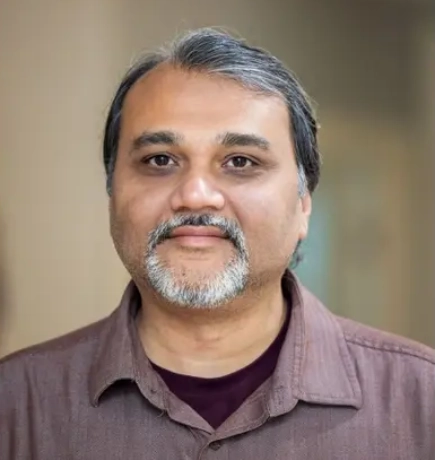
Mausam
Professor (IIT Delhi)
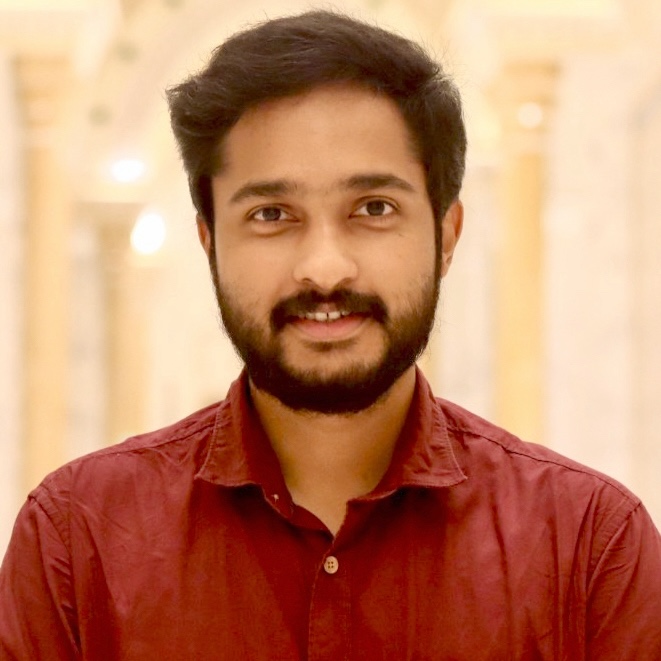
Joseph K J
Research Scientist (Adobe Research)
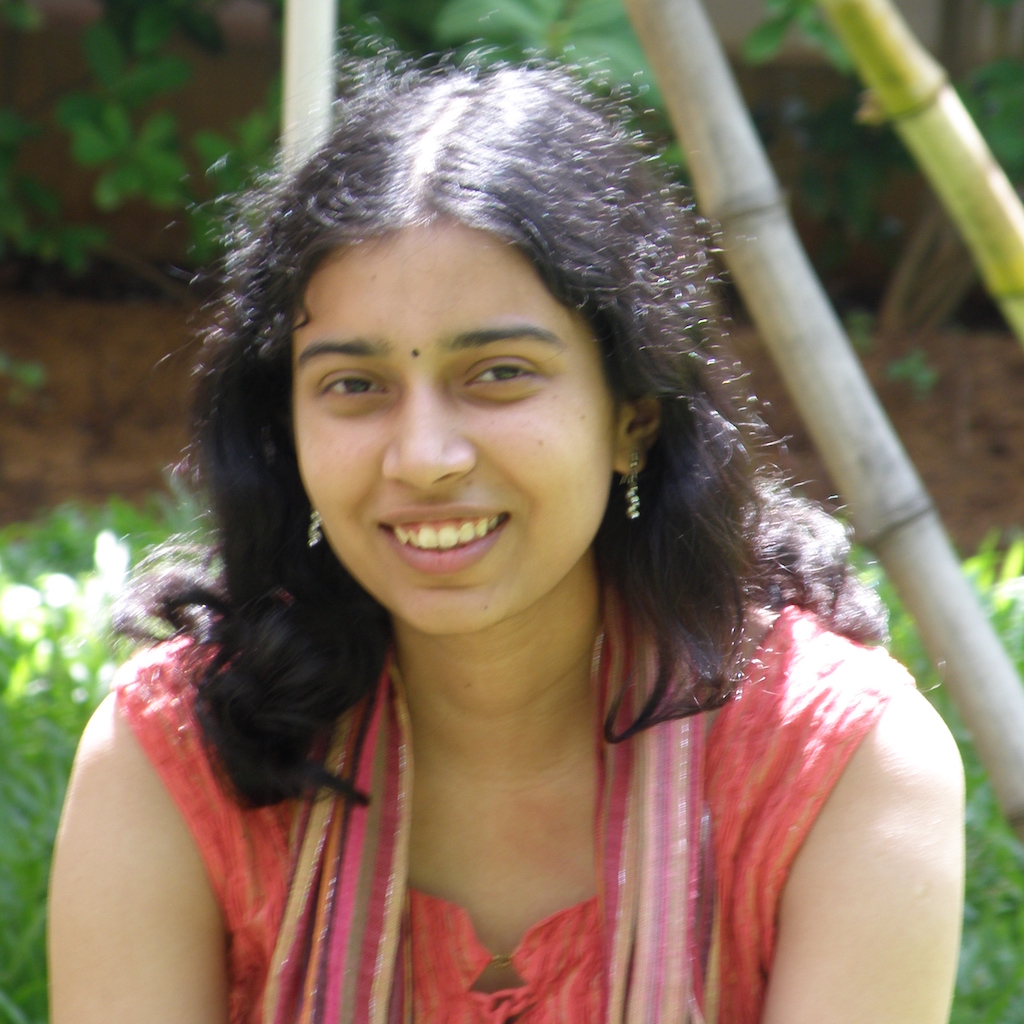
Vaishnavi Sundararajan
Assistant Professor (IIT Delhi)
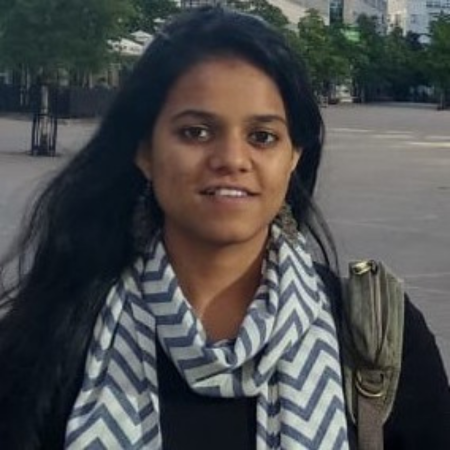
Manisha Padala
Assistant Professor (IIT Gandhinagar)
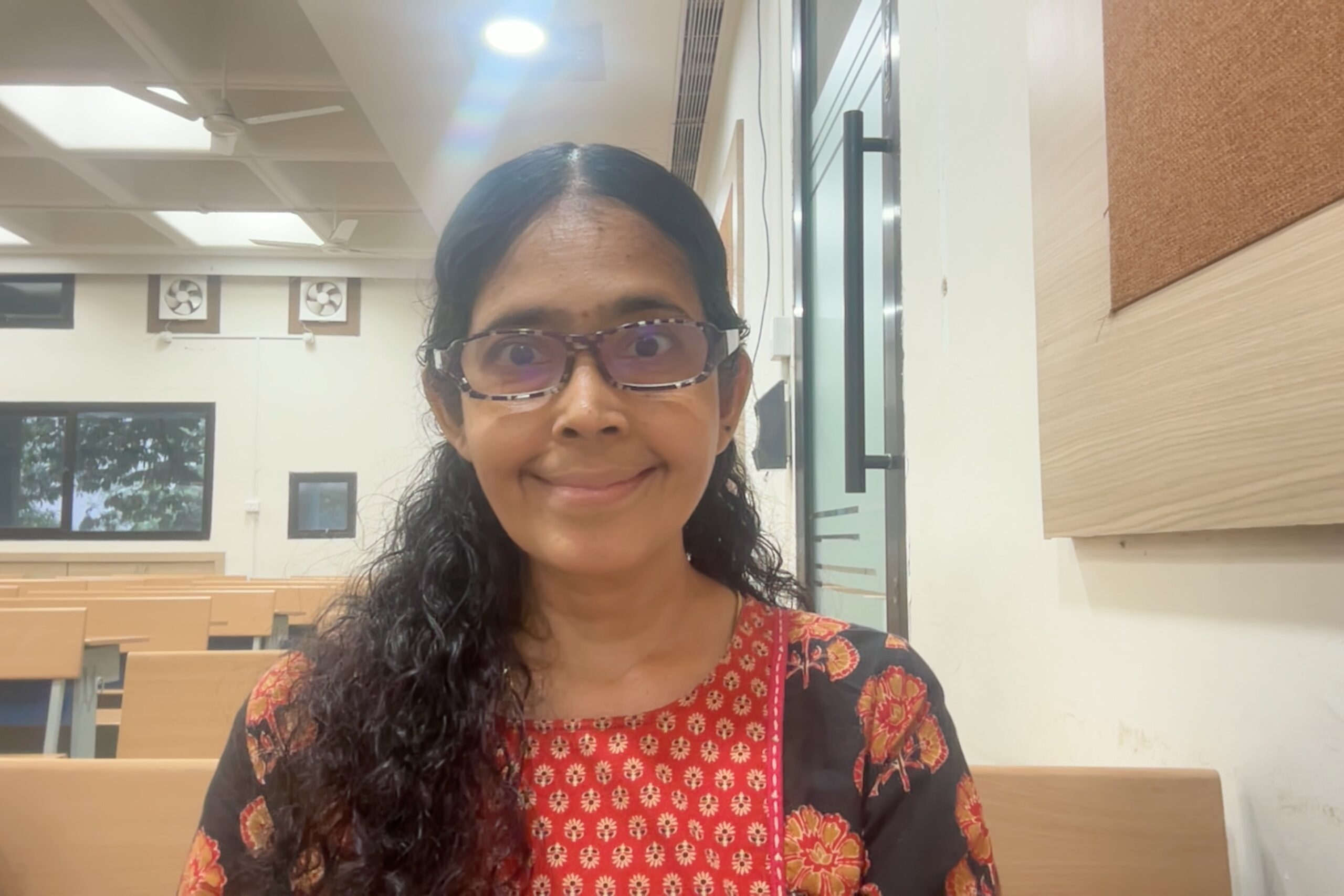
Prof Krishna S
IIT Bombay
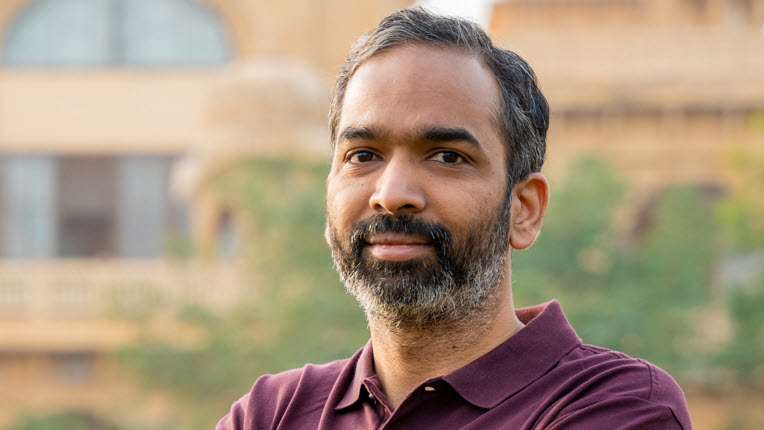
Vivek Seshadri
Co-founder, Karya
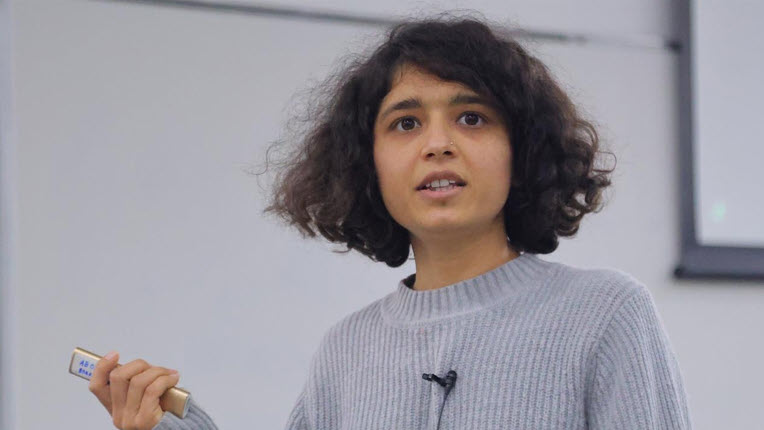
Prof. Dharaben Rameshbhai Thakkar
Assistant Professor,
Nagoya University
Committees
- Mainack Mondal, Indian Institute of Technology Kharagpur
- Niyati Chhaya, Hyperbots Inc.
Algorithms
- Anup Bhattacharya (NISER, Bhubaneswar)
- Nikhil Gupta (Indraprastha Institute of Information Technology Delhi)
Computing Complexity
- Abhranil Chatterjee (Indian Institute of Technology Kanpur)
- Ramya C (The Institute of Mathematical Sciences Chennai)
Logic and automata
- Vaishnavi Sundararajan (Indian Institute of Technology Delhi)
Quantum computation
- Debajyoti Bera (Indraprastha Institute of Information Technology Delhi)
Theory of ML
- Jatin Batra (Tata Institute of Fundamental Research)
Information theory
- Gowtham Kurri (International Institute of Information Technology Hyderabad)
Cryptography
- Sikhar Patranabis (IBM)
- Satrajit Ghosh (Indian Institute of Technology Kharagpur)
System & Applied research
NLP, Information retrieval, Social network analysis/ Computation Linguistics
- Parmeshwari (International Institute of Information Technology Hyderabad)
- Pawan Goyal (Indian Institute of Technology Kharagpur)
Computer Security and Privacy
- Sarani Bhattacharya (Indian Institute of Technology Kharagpur)
- Sambuddha (Delhi)
OS and Architecture
- Manas Thakur (Indian Institute of Technology Bombay)
- Rajesh Kedia (Indian Institute of Technology Hyderabad)
Databases and Data Management
- Prajna Upadhyay (BITS Pilani)
- Kaustubh Beedkar (Google)
Computer Networking
- Ayon Chakraborty (Indian Institute of Technology Madras)
- Mukulika Maity (Indian Institute of Technology Madras)
Formal verification
- Kartik Nagar (Indian Institute of Technology Madras)
Programming Languages and Compilers
- Rupesh Nasre (Indian Institute of Technology Madras)
AI/ML/HCI
- Raghava (Indraprastha Institute of Information Technology Delhi)
- Sourangshu bhattacharya (Indian Institute of Technology Kharagpur)
- Jainendra Shukla (Indraprastha Institute of Information Technology Delhi)
- Sandip Chakraborty (Indian Institute of Technology Kharagpur)
Computer vision and graphics
- Anirban Chakraborty (IISC)
- Ayan Roy Chaudhuri (Indian Institute of Technology Kharagpur)
Technology for society
- Abhijnan Chakraborty (Indian Institute of Technology Kharagpur)
Software engineering
- Karthik Vaidhyanathan (International Institute of Information Technology Hyderabad)
- Sridhar Chimalakonda (Indian Institute of Technology Tirupati)
Day-zero chairs:
- Shruti Sekar (Indian Institute of Technology Bombay)
- Urbi Chatterjee (Indian Institute of Technology Kharagpur)
Poster chair:
- Sarani Bhattacharya (Indian Institute of Technology Kharagpur)
Phd clinic chair :
- Ayan Mondal (Indian Institute of Technology Indore)
Web chair:
- Rajdeep Ghosh and Siddharth Jaiswal (Indian Institute of Technology Kharagpur)
Host (IIT Hyderabad – Department of Computer Science & Engineering):
- Abhijit Das
- Antony Franklin
- Anupam Sanghi
- Ashish Mishra
- G Praveen Kumar
- Jyothi Vedurada
- Rajesh Kedia
- Ramakrishna Upadrasta
- Rameshwar Pratap
- Saurabh Kumar
- Shirshendu Das
- Subrahmanyam Kalyanasundaram
- Surya Prakash
- Vijay Chakravarthi
- Ayan Mondal (IIT Indore)
- Chitra Babu Co-chair (IIT Madras),
- Karthik Ramachandra Co-chair (Microsoft),
- Mainack Mondal (IIT Kharagpur)
- Ponnurangam Kumaraguru (IIIT Hyderabad)
- Ranga Rajagopal (ACM India)
- Geetanjali Kale (PICT, Pune)
- Rutvi Shah (Ganpat University)
- Venkatesh Raman (IMSc)
- Mainack Mondal, Indian Institute of Technology Kharagpur
- Niyati Chhaya, Hyperbots Inc.
Algorithms
- Anup Bhattacharya (NISER, Bhubaneswar)
- Nikhil Gupta (Indraprastha Institute of Information Technology Delhi)
Computing Complexity
- Abhranil Chatterjee (Indian Institute of Technology Kanpur)
- Ramya C (The Institute of Mathematical Sciences Chennai)
Logic and automata
- Vaishnavi Sundararajan (Indian Institute of Technology Delhi)
Quantum computation
- Debajyoti Bera (Indraprastha Institute of Information Technology Delhi)
Theory of ML
- Jatin Batra (Tata Institute of Fundamental Research)
Information theory
- Gowtham Kurri (International Institute of Information Technology Hyderabad)
Cryptography
- Sikhar Patranabis (IBM)
- Satrajit Ghosh (Indian Institute of Technology Kharagpur)
System & Applied research
NLP, Information retrieval, Social network analysis/ Computation Linguistics
- Parmeshwari (International Institute of Information Technology Hyderabad)
- Pawan Goyal (Indian Institute of Technology Kharagpur)
Computer Security and Privacy
- Sarani Bhattacharya (Indian Institute of Technology Kharagpur)
- Sambuddha (Delhi)
OS and Architecture
- Manas Thakur (Indian Institute of Technology Bombay)
- Rajesh Kedia (Indian Institute of Technology Hyderabad)
Databases and Data Management
- Prajna Upadhyay (BITS Pilani)
- Kaustubh Beedkar (Google)
Computer Networking
- Ayon Chakraborty (Indian Institute of Technology Madras)
- Mukulika Maity (Indian Institute of Technology Madras)
Formal verification
- Kartik Nagar (Indian Institute of Technology Madras)
Programming Languages and Compilers
- Rupesh Nasre (Indian Institute of Technology Madras)
AI/ML/HCI
- Raghava (Indraprastha Institute of Information Technology Delhi)
- Sourangshu bhattacharya (Indian Institute of Technology Kharagpur)
- Jainendra Shukla (Indraprastha Institute of Information Technology Delhi)
- Sandip Chakraborty (Indian Institute of Technology Kharagpur)
Computer vision and graphics
- Anirban Chakraborty (IISC)
- Ayan Roy Chaudhuri (Indian Institute of Technology Kharagpur)
Technology for society
- Abhijnan Chakraborty (Indian Institute of Technology Kharagpur)
Software engineering
- Karthik Vaidhyanathan (International Institute of Information Technology Hyderabad)
- Sridhar Chimalakonda (Indian Institute of Technology Tirupati)
Day-zero chairs:
- Shruti Sekar (Indian Institute of Technology Bombay)
- Urbi Chatterjee (Indian Institute of Technology Kharagpur)
Poster chair:
- Sarani Bhattacharya (Indian Institute of Technology Kharagpur)
Phd clinic chair :
- Ayan Mondal (Indian Institute of Technology Indore)
Web chair:
- Rajdeep Ghosh and Siddharth Jaiswal (Indian Institute of Technology Kharagpur)
Host (IIT Hyderabad – Department of Computer Science & Engineering):
- Abhijit Das
- Antony Franklin
- Anupam Sanghi
- Ashish Mishra
- G Praveen Kumar
- Jyothi Vedurada
- Rajesh Kedia
- Ramakrishna Upadrasta
- Rameshwar Pratap
- Saurabh Kumar
- Shirshendu Das
- Subrahmanyam Kalyanasundaram
- Surya Prakash
- Vijay Chakravarthi
- Ayan Mondal (IIT Indore)
- Chitra Babu Co-chair (IIT Madras),
- Karthik Ramachandra Co-chair (Microsoft),
- Mainack Mondal (IIT Kharagpur)
- Ponnurangam Kumaraguru (IIIT Hyderabad)
- Ranga Rajagopal (ACM India)
- Geetanjali Kale (PICT, Pune)
- Rutvi Shah (Ganpat University)
- Venkatesh Raman (IMSc)
ARCS 2026 Schedule
CSE Seminar Hall, EECS Building

Time
Session
-
2:00 PM – 3:30 PM
Convention Center, IITH (Auditorium 1)
Time
Session
-
-
6:00 PM – 6:50 PM
ACM India Outstanding Applied Innovation in Computing (OAIC) Award Talks
Session chair: Dr. R. Venkateswaran, ACM India Council
ACM OAIC award Talk: “IBM Watsonx Code Assistant for Z”
Dr. Yogish Sabrawal
IBM Research IndiaAbstract
Modern enterprises continue to rely on large, business-critical mainframe applications, yet the scale, complexity, and longevity of these systems make modernization both costly and risky. IBM watsonx Code Assistant for Z addresses this challenge by applying purpose-built generative AI to accelerate and de-risk the modernization of IBM Z applications. In this talk, we present the architecture, capabilities, and practical impact of watsonx Code Assistant for Z, with a focus on large-scale COBOL systems.
We discuss how the platform combines program analysis, retrieval-augmented generation, and agentic workflows to support code explanation, refactoring, and high-fidelity COBOL-to-Java transformation, while preserving business semantics and operational behaviour across z/OS runtimes such as CICS and IMS. The talk highlights techniques for scaling AI-assisted transformation to multi-million-line codebases, including cross-program reasoning, impact analysis and automated validation. We conclude with lessons learned from customer deployments and outline emerging directions for AI-driven mainframe modernization.
ACM OAIC Honourable Mention Talk: “Project iRASTE”
Prof. C. V. Jawahar
IIIT HyderabadAbstract
Project iRASTE is an AI- and data-driven initiative aimed at improving road safety in complex and unstructured traffic environments, such as those commonly found in India. The project combines large-scale real-world driving data with applied AI analytics to identify high-risk road segments and unsafe driving patterns before serious accidents occur.
Initially deployed at city scale in Nagpur and later replicated in Telangana, iRASTE translates these insights into targeted road engineering interventions, driver training programs, and improvements in emergency response. The project illustrates how rigorous applied computing, combined with close collaboration between academia, government, and industry, can deliver measurable, life-saving impact and offer a replicable model for road safety at scale.
ACM OAIC Honourable Mention Talk: “National NCD Portal”
HSD Srinivas
Tata Trusts
Abstract
The National NCD Portal is India’s flagship, end-to-end digital health platform that operationalizes the National Programme for Prevention and Control of Non-Communicable Diseases (NP-NCD). Developed jointly by Tata Trusts and Dell Technologies, in close partnership with the Ministry of Health & Family Welfare (MoHFW), it represents one of the largest digital public health implementations globally.
The National NCD Portal enables the public health system to digitize patient journeys and ensures continuum of care from screening to diagnosis, treatment, reduce loss to follow-up through standardized referrals and provide access to patient health records across all health facilities and generate population-level data for planning and monitoring.
The Portal is operational across 31 States and Union Territories and in more than 650 districts. To date over 51 crore individuals enrolled on the Portal, and nearly 30 crore patients were screened for NCD, more than 4 crore individuals were under treatment, with around 90 lakh patients tracked for regular follow up. The portal has created more than Over 11 crore ABHA IDs. The programme has trained more than 1.27 lakh health workers enabling over 2 lakh users to transition from paper-based registers to digital workflows.Built on a secure, scalable microservices architecture, the Portal is ABDM M1–M3 compliant, ensures end-to-end encryption, integrates Clinical Decision Support Systems and supports offline functionality. It has been recognised by the Ministry of Electronics and Information Technology as a Digital Public Good under the India Stack Global framework and has been showcased internationally, including at the G20 Health Working Group.
The Portal has strengthened primary healthcare by integrating preventive NCD care into routine services, reducing paperwork, and improving efficiency, transparency, and monitoring of patient care.
Convention Center, IITH (Auditorium 1)
Time
Session
-
-
2:45 PM – 4:15 PM
Early Career Researcher Talks
Session chair: Prof. Chitra Babu“From Ideas to A* Papers: A Behind-the-Scenes Journey not Often Discussed”
Dr. Joseph KJ
Adobe ResearchAbstract
TBA“From Theory to Practice, proving system guarantees”
Prof. Vaishnavi Sundarajan
IIT DelhiAbstract
TBA“LLM Bidding Markets”
Prof. Manisha Padala
IIT GandhinagarAbstract
TBA
Institutional Partners
Platinum Tier Partners


Gold Tier Partners

Silver Tier Partners

Organizing Partner
Banquet Sponsor
Academic Sponsor

Previous Editions of ARCS
2024 :NISER Bhubaneswar
2020 :IIT Gandhinagar
2018 :VNIT/Persistent-Nagpur
2016 :Techno Park – Trivandrum
2015 :BITS Pilani – Goa
2014 :IIT Delhi
2013 :Bhopal
2012 :Pune
2011 :Hyderabad
2010 :Bangalore
2009 :IIT Guwahati
2007 :IIIT Hyderabad
2006 :IIT Madras
2005 :IIT Kanpur
2004 :IIT Bombay
2003 :IIT Delhi
2002 :IISc


